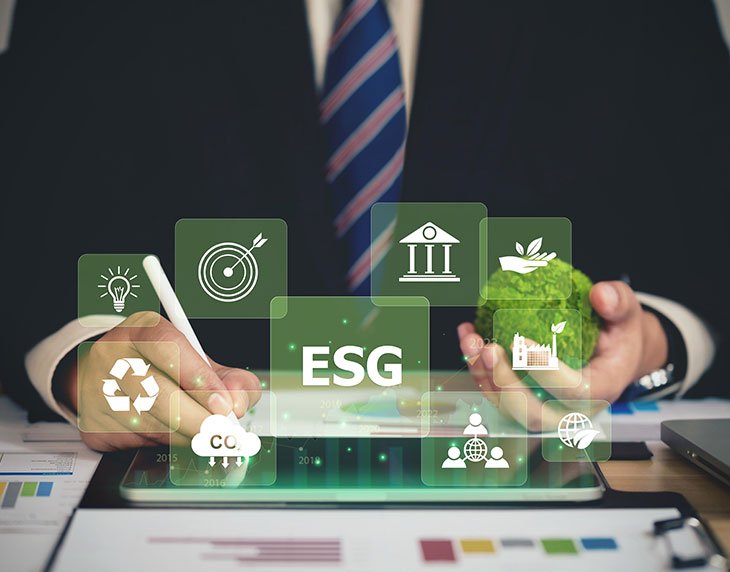
ESG stands for Environmental, Social, and Governance – three key factors used to measure how responsible and sustainable a business or organization is.
- Environmental (E): How a company impacts the planet – including energy use, carbon emissions, waste management, and resource conservation.
- Social (S): How a company treats people – employees, customers, communities, and society at large. This includes diversity, human rights, workplace safety, and community engagement.
- Governance (G): How a company is managed – covering ethical practices, leadership, transparency, board accountability, and compliance.
Who Should Attend?
- Business Leaders & Executives
- Sustainability Professionals
- Risk & Compliance Officers
- CSR & Governance Teams
- Investors & Financial Analysts
- Fundamentals of ESG
- Definition of Environment Aspects in ESG
- Environmental Management Systems
- Water Management Systems
- Energy Management Systems
- Waste Management [including EPR]
- Circular Economy
- Green logistics
- Net zero - GHG Emission
- Carbon Footprint
- Water Footprint
- Carbon credit eco system
- Environment related Issues & Challenges and Implementation strategies of ESG
- Social related Issues & Challenges of ESG
- Governance related Issues & Challenges of ESG
- A Way forward – ESG reporting, Operational Difficulties and Probable Solutions