Advanced Product Quality Planning (APQP)
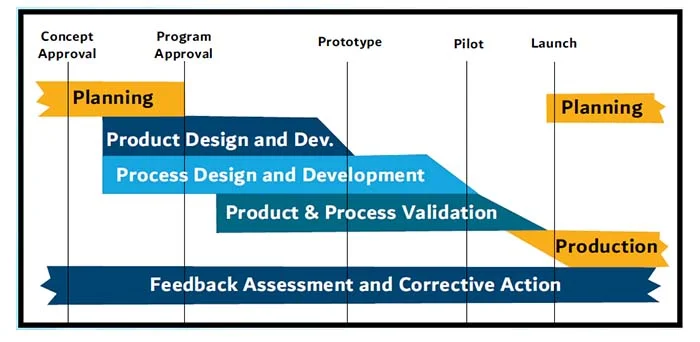
APQP is a project management tool that ensures products meet customer requirements through structured planning and error prevention. It divides the product development process into five phases, further breaking them into activities for precise management.
Failure Mode and Effects Analysis (FMEA)
-
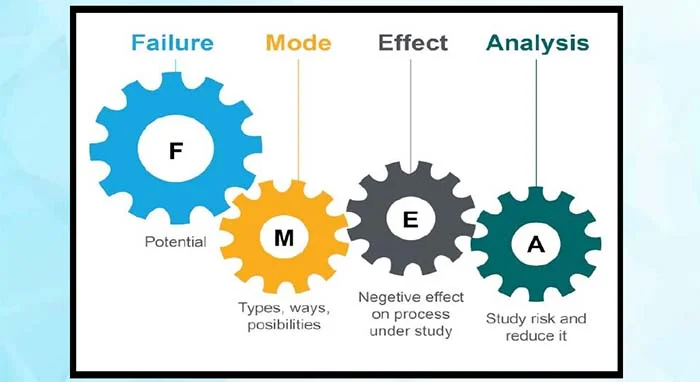
Failure Mode and Effects Analysis (FMEA) is a structured risk assessment methodology used to identify potential failure modes in a process, product, or system. It evaluates the impact, severity, and likelihood of failures, helping organizations proactively address risks before they occur.
Control Plan (CP)
-
A Control Plan (CP) outlines key processes and controls to ensure consistent product quality. It defines monitoring methods and response strategies for process deviations, helping maintain compliance with quality standards.
Measurement System Analysis (MSA)
-
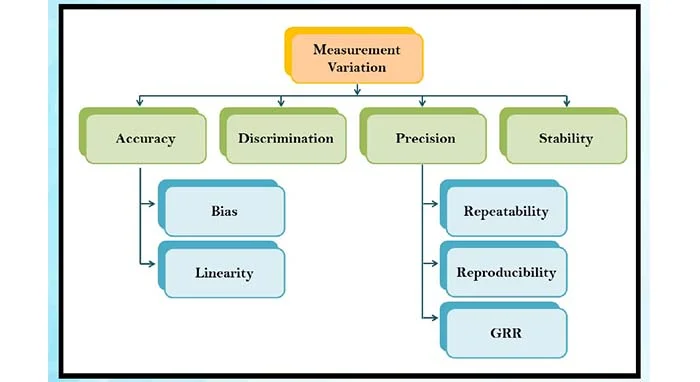
Measurement is crucial in Six Sigma. MSA is a systematic approach to evaluating the accuracy, reliability, and variability of a measurement system. It helps determine how much measurement variation affects overall process performance, ensuring data integrity for effective decision-making.
Statistical Process Control (SPC)
-
SPC utilizes statistical tools to monitor process behavior, identify system inefficiencies, and resolve production issues. It ensures quality control by detecting variations and maintaining process stability, often used interchangeably with Statistical Quality Control (SQC).
Production Part Approval Process (PPAP)
-
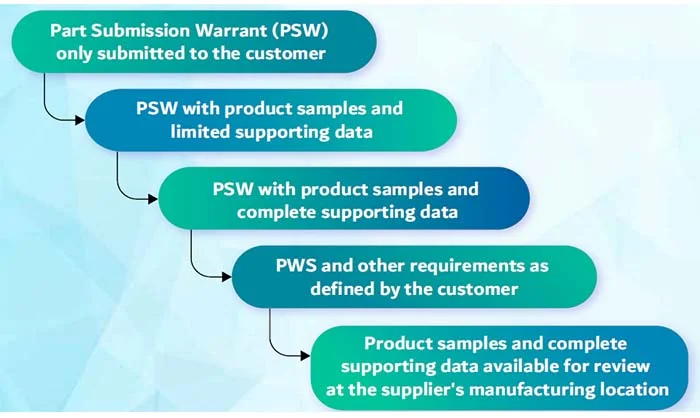
PPAP is a standardized process that ensures suppliers understand customer requirements, adhere to documented expectations, and consistently produce reliable, high-quality parts and products. It validates manufacturing processes for repeatability and compliance.
Advanced Product Quality Planning (APQP) – Output:
- Effective planning strategy
- Delivery performance as per Customer Expectations
- Enhancement of Customer Satisfaction
- Effective Use of Lessons Learned and Best Practices
Failure Mode and Effects Analysis (FMEA) – Output:
- Eliminate or reduce failures
- Starting with the highest priority ones
- Documents current knowledge and actions about the risks of failures
- FMEA is used during design to prevent failures.
Control Plan (CP) – Output:
- Create effective Control Plans
- Ensure process consistency
- Improve product quality
- Respond to deviations efficiently
Measurement System Analysis (MSA) – Output:
- Improved Decision Making
- Risk Management
- To avoid type 1 and type 2 error
- Producing a consistent product in manufacturing
Statistical Process Control (SPC) – Output:
- Improved Product Quality
- Problem Solving
- Continuous Improvement
- Statistical Process Control (SPC)
- Risk Mitigation
- Decision making
Production Part Approval Process (PPAP) – Output:
- When to Notify customer
- When PPAP has to be submit
- Retention and Submission requirement of PPAP
- What are all the PPAP approval documents
- Verification of process and product parameter