Build practical AI skills with the Certified AI Professional programme: machine learning, analytics, prompt engineering and responsible AI for real business decisions.
Course description, course content and intended participants.
The Certified AI Practitioner program is designed to help professionals understand and apply practical Artificial Intelligence concepts in business and operational environments. This course introduces the fundamentals of AI, including data-driven decision making, machine learning basics, automation, and real-world applications across industries. Participants will learn how AI tools can improve efficiency, enhance decision-making, and support innovation while gaining the practical knowledge needed to start implementing AI solutions within their organizations.
 Machine learning
Human-led insight
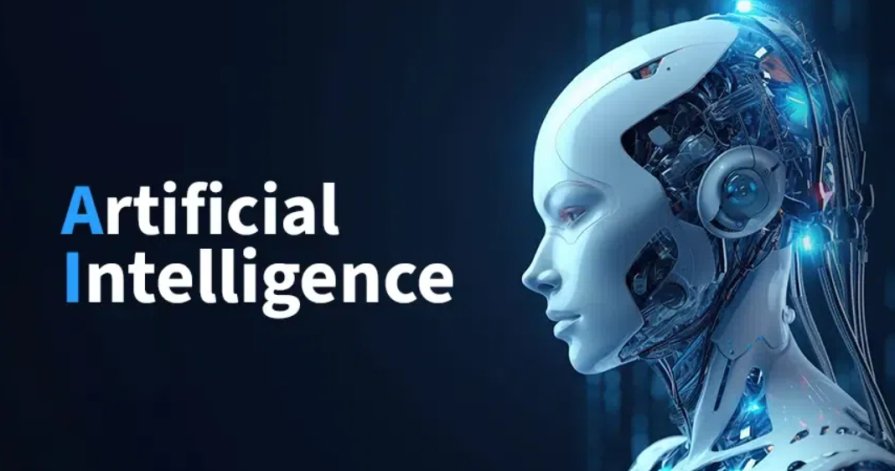
Artificial Intelligence is technology that enables machines to learn from data, recognize patterns, solve problems, and support decision-making - tasks that traditionally require human intelligence.
AI is helping manufacturers improve quality inspection, predictive maintenance, production planning, demand forecasting, and process optimization. It can identify patterns in data and help teams make faster, more informed decisions.
AI can support quality teams through automated inspection, defect detection, predictive analysis, process monitoring, and root-cause analysis. When combined with quality methodologies such as Lean Six Sigma, it can make problem-solving more data-driven and efficient.
Generative AI can create text, images, code, reports, and other content based on learned patterns. Businesses can use it for tasks such as documentation, data analysis, customer support, content creation, and knowledge management.
AI can automate many repetitive tasks, but it does not replace the need for human judgment, creativity, leadership, and problem-solving. In many workplaces, the bigger opportunity is using AI to help people work faster and make better decisions.
You don't necessarily need to be a programmer to start learning AI. Problem-solving, basic data understanding, analytical thinking, and curiosity are good starting points. Technical roles may require additional knowledge of statistics, programming, and machine learning.
AI can help businesses reduce repetitive work, identify patterns in data, improve decision-making, predict potential problems, and optimize processes. The real value comes from applying AI to the right business problem rather than using it simply because it is available.
Yes. Intelligence Quality (IQ) helps professionals understand how AI can be applied to quality management, process improvement, data analysis, and business decision-making. The focus is on practical applications that professionals can relate to their workplace.